
True events adaptations have a unique charm that draws audiences in like moths to a flame. There’s something irresistible about watching a film or series based on real-life stories, especially when the drama, humor, and sheer absurdity of life unfold on screen. Whether it’s a gripping thriller or a heartwarming tale, these adaptations often leave viewers wondering how much is fact and how much is fiction.
Overview of True Events Adaptations
True events adaptations appeal to a wide audience by transforming real-life stories into compelling films and television shows. Audiences connect with these narratives, drawn in by the emotional resonance of actual events. These adaptations often incorporate elements of drama, humor, and absurdity, enhancing viewer engagement.
Storytelling techniques create intrigue, prompting viewers to explore how filmmakers interpret factual incidents. Accuracy plays a significant role in the success of true events adaptations. Filmmakers balance creative liberties with factual content, enhancing the narrative while remaining respectful to the real stories. Successful adaptations resonate because they invite audiences to question the distinctions between fact and fiction.
Numerous films and series showcase true events effectively. Examples include “Schindler’s List,” which depicts the Holocaust, and “The Pursuit of Happyness,” illustrating perseverance during adversity. These stories not only entertain but also educate, providing insight into historical and contemporary issues.
Cinematic techniques often emphasize the emotional weight of these adaptations. Authentic dialogue, realistic settings, and compelling performances contribute to an immersive viewing experience. When executed well, true events adaptations evoke strong emotional responses, leading to broader discussions about the events portrayed.
Commercial success frequently accompanies high-quality true events adaptations. Popular titles often achieve box office milestones, garner awards and resonate with audiences around the globe. As filmmakers continue to explore real stories, this genre will likely evolve, drawing inspiration from ongoing societal events and historical moments.
Popular True Events Adaptations
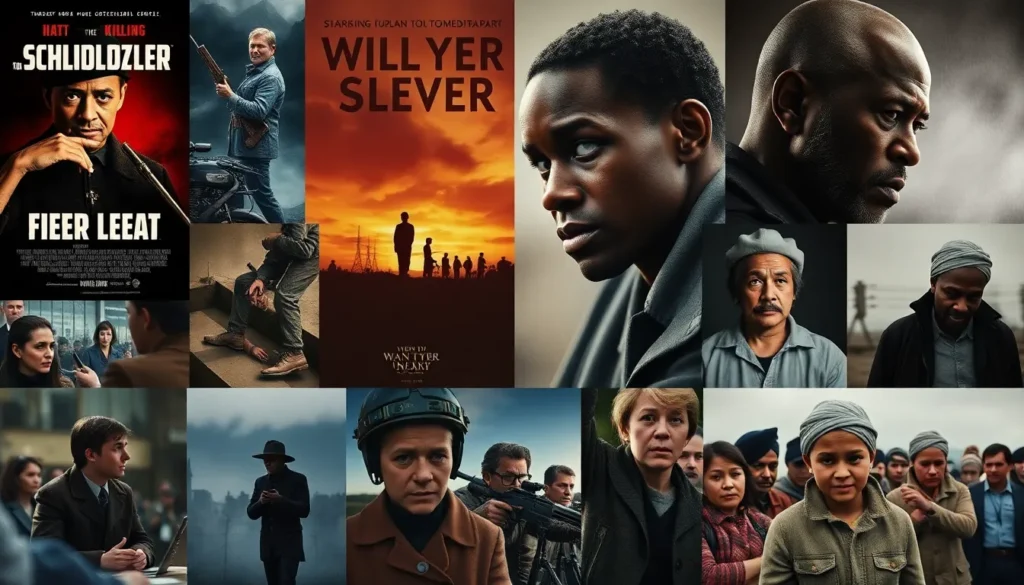
True events adaptations range from gripping films to insightful documentaries. They provide audiences with deep emotional connections to real stories.
Notable Movies
Acclaimed films bring true stories to life. “Schindler’s List,” directed by Steven Spielberg, depicts the Holocaust’s harrowing realities. “The Pursuit of Happyness” showcases the struggles of single-parenthood and perseverance. “12 Years a Slave” highlights the brutal reality of slavery in America. Each movie presents powerful performances that engage viewers. Not only do these films entertain, but they also educate about significant historical events.
Impactful Documentaries
Documentaries serve as compelling narratives about real events and figures. “The Act of Killing” explores the Indonesian mass killings through reenactments. “Won’t You Be My Neighbor?” celebrates the life of Fred Rogers and his impact on children’s television. “Jiro Dreams of Sushi” delves into the dedication of an esteemed sushi chef. Documentaries often provide deeper insights than fictional adaptations, using interviews and archival footage. They spark conversations around societal issues by presenting stark realities.
The Process of Adapting True Events
The adaptation process involves multiple stages that prioritize both accuracy and creative expression. Filmmakers must meticulously focus on these key areas to successfully bring real-life stories to the screen.
Research and Accuracy
Thorough research forms the foundation of true events adaptations. Filmmakers consult primary sources such as interviews, diaries, and news articles to ensure factual integrity. They also collaborate with historians and experts to gain deeper insights into the events and individuals involved. Accuracy is vital, as it maintains the authenticity of the narrative. Failure to represent key elements truthfully can lead to criticism or audience backlash. Successful adaptations often showcase a strong commitment to detail, drawing viewers into the genuine context of the events. Notable examples like “Spotlight” exemplify this diligence in upholding factual representation.
Creative Liberties
Creative liberties enhance storytelling in true events adaptations. While filmmakers strive for accuracy, they often need to condense timelines or dramatize scenes for emotional impact. Such adjustments can help to highlight underlying themes and engage audiences on a profound level. The combination of fact and fiction allows for artistic interpretation, providing filmmakers the freedom to explore character motivations or emotional depth. Successful films like “The Imitation Game” skillfully balance these elements, captivating viewers while remaining grounded in reality. Audiences generally accept a degree of creative interpretation, as long as it serves the story effectively without distorting the truth.
Audience Reception
True events adaptations receive varied responses from both critics and the general public, shaping their legacy in film and television.
Critical Acclaim
Critics often praise true events adaptations for their narrative depth and strong performances. Notable films like “12 Years a Slave” garnered numerous awards, highlighting the excellence in storytelling and direction. The emotional impact of these adaptations resonates with audiences and critics alike, contributing to their recognition at prestigious ceremonies. Filmmakers’ dedication to authenticity in their portrayals frequently results in critical acclaim, as seen with “Spotlight,” which showcases meticulous research and compelling storytelling. Documentaries often receive accolades for their ability to address complex issues effectively, fostering meaningful discussions. Audiences appreciate endeavors that balance fact and creativity, drawing attention to significant societal themes.
Public Opinion
Public reception of true events adaptations varies widely, often reflecting personal connections to the stories portrayed. Films such as “The Pursuit of Happyness” resonate with audiences due to relatable themes of perseverance and hope. These adaptations invoke strong emotional responses stemming from their real-life origins, making them more impactful than fictional narratives. Many viewers express admiration for the educational aspects of these adaptations, enriching their understanding of historical events and societal challenges. Additionally, high-quality adaptations regularly achieve box office success, influencing public perception of the genre. Conversations around these films stimulate debates on ethical storytelling and the importance of contextual accuracy in portraying real events.
Challenges in True Events Adaptations
Adapting true events into film and television presents unique challenges. Filmmakers often face ethical dilemmas while crafting narratives from real-life stories.
Ethical Considerations
Respecting the privacy of individuals involved in the events poses a significant challenge. Filmmakers must navigate consent issues, especially when depicting sensitive moments. The portrayal of real-life subjects requires a responsible balance, considering the potential impact on these individuals and their families. Protecting reputations and preserving dignity becomes crucial, particularly for stories that involve trauma or controversy. Documentaries often seek explicit permissions, but dramatizations may take creative liberties that complicate ethical considerations. Ensuring accuracy while minimizing harm remains a primary concern for those adapting true events.
Historical Accuracy vs. Entertainment
Balancing historical accuracy with audience engagement represents another core challenge. Many viewers expect an entertaining experience while simultaneously seeking authenticity. Some filmmakers condense timelines and dramatize scenes, risking factual integrity for narrative flow. This approach can lead to criticisms from historians and audiences alike when inaccuracies arise. Successful adaptations carefully assess which elements enhance storytelling without straying from core truths. Filmmakers must prioritize significant details over minor ones, ensuring that the essence of the story resonates while captivating viewers. Striking this balance influences both commercial success and critical acclaim, underscoring the complexity of the adaptation process.
True events adaptations hold a unique place in film and television by weaving real-life narratives into compelling stories. Their ability to evoke strong emotional responses while educating audiences about historical and societal issues makes them particularly impactful. Filmmakers face the delicate task of balancing creative liberties with factual accuracy, ensuring that the essence of the true story remains intact. As this genre continues to evolve, it will likely draw inspiration from ongoing events and personal stories, maintaining its relevance in contemporary media. The lasting legacy of these adaptations illustrates their power to connect viewers to the past while prompting reflection on the present.